
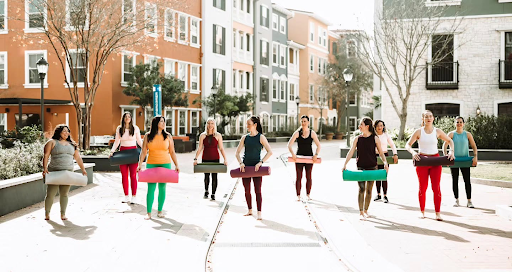
Most of us start alone. Headphones in. Same three machines. Feels independent at first. Then the excuses creep in. You’re tired. The playlist sucks. You cut the workout short and call it good.
Group classes fix a lot of that mess. You show up because the class starts at a set time and other people are already there. The energy hits different. In fitness classes in San Antonio, this shift is pretty common now. Folks realize they push harder and stick with it longer when they’re not left to their own devices.
No magic involved. Just better setup for real humans who lose motivation fast.
Group Fitness Classes Benefits Hit Quick
Working out by yourself puts every decision on your plate. Classes take some of that load off.
You walk in, and the room already has momentum. Music’s going. Instructor’s talking. People are moving. Your brain stops negotiating.
That alone changes the session.
- You finish more sets than you would alone
- Form gets corrected before it turns into a bad habit
- The hard parts don’t get skipped as easy
- You leave tired in a good way instead of half-done
Those little differences add up fast.
Group Workout vs Gym Reality Check
Gyms give you gear. Classes give you a plan and eyes on you.
Most solo gym time turns into wandering. Same lifts. Same order. Phone breaks in between. Easy to phone it in.
Class has a start and end. Instructor keeps the pace. You just follow the next move. Less mental drain. More actual work gets done.
People who try both usually say the same thing. They sweat more in class. Move better. And don’t dread the next one as much.
Beginner Fitness Classes Make Sense
Starting alone is rough. Too many choices. Too much second-guessing.
Beginner fitness classes remove the guesswork. The instructor shows the move. Gives easier options. Watches the room. You never feel completely lost.
Seeing other new people struggle a bit and keep going helps more than any motivational quote. You’re not the only one figuring it out. That takes pressure off.
Why Join Fitness Classes Even If You Already Lift
Experienced people gain too.
You hit movements you’d never program yourself. Strength training classes mix in mobility work most lifters ignore. Yoga classes loosen the tight spots heavy training creates. Bootcamp classes spike your heart rate in short bursts that steady cardio never matches.
Variety keeps your body from adapting too fast. Progress stays moving instead of stalling.
Motivation That Doesn’t Rely on Willpower
Willpower runs out. Environment lasts longer.
When the class is on the schedule, and faces expect you, you go. When it’s just you versus the couch, the couch wins more often than we admit.
Group fitness classes create that outside pull without feeling forced. Regulars notice when you’re missing. That mild social nudge keeps the streak alive.
It feels more like belonging than pressure. Belonging is sticky.
Accountability Without the One-on-One Price Tag
Personal training works if you have the budget and like that dynamic. Group classes give a lighter version of the same accountability.
You’re not the only focus. But you’re still noticed. Instructors learn names. They catch progress. That small recognition makes you want to come back.
Over time, the regulars become part of the reason you keep showing up on low days.
Boredom Gets Shut Down
Same solo routine gets stale quick. Group schedules rotate. Strength one day. Intervals next. Maybe yoga or a tougher bootcamp session after that.
Your body stays a little off balance. That slows plateaus. Interest stays higher too.
What the Results Actually Look Like
People who stick with classes tend to get stronger, move better day to day, and change body composition more steadily. Not because the exercises are special. Because they complete the work week after week instead of ghosting after three sessions.
Consistency wins. Classes make consistency easier for most of us.
At inBalance, the classes are built around that exact idea. Interval work, Pilates, functional training, and programming that keeps you progressing instead of spinning your wheels. Instructors put in serious hours on anatomy and coaching. The room stays encouraging, not judgy. New or already strong, you fit.
Take a look at inBalance and try one. Feel the difference yourself.
Wrapping It Up
Solo sessions have their place. Quiet days are fine. But if you want steadier progress, cleaner form, and a routine that doesn’t fall apart every other week, group fitness classes usually deliver more.
The coaching, the pace, the people, and the fixed time remove the biggest excuses.
T folks keep choosing for simple reasons. Results stick when the setup actually works with human nature instead of against it.
FAQ
Are group fitness classes better than working out alone?
For most people, yeah. Group fitness classes at InBalance Studios sort of give you structure, and you get real-time coaching, plus this whole room of people moving with you. That mix keeps consistency higher than solo gym time does for the average person, honestly. You push harder without quietly bargaining with yourself out of the tough parts. Your form gets tuned up early. Motivation tends to stick around longer too because you’re not hauling the entire weight all by yourself. Solo training can work if your discipline is unusually solid, sure, but the classes take away a lot of that friction that makes most folks quit.
Which fitness class is best for beginners in San Antonio?
Start with anything labeled beginner or foundational that offers clear modifications. Strength basics, intro Pilates, or moderated bootcamp-style sessions work well. The instructor should demonstrate everything and give easier options without making a big deal of it. Two classes a week is plenty at first. The right room makes you feel capable instead of overwhelmed. That feeling matters more than the exact style when you’re new.
How often should I attend group fitness classes?
Two or three times a week works for most people starting out. That builds the habit without wrecking recovery. Once it feels normal, you can add another day if your body handles it. Rest days still count. Going hard every single day usually backfires. Steady attendance over months beats short intense streaks that burn out fast.
Do fitness classes help with weight loss?
They help when you actually show up regularly. Classes raise weekly calorie burn and build muscle that supports metabolism. The bigger win is the consistency they create. People who keep attending tend to make better food choices too because they feel stronger and more in control. Pair the workouts with decent nutrition, and you’ll often see the scale start moving. Honestly, the results are more from the routine you keep, not just one single session
What should I bring to my first fitness class?
Wear something comfortable you can move in freely, and shoes too, if the class asks for them. Bring a water bottle and a small towel. Usually most places provide the mats and the rest of the gear. Arrive about ten minutes early, so you’re not rushing. Then say hi to the instructor, ask whatever is on your mind, and get settled. That’s pretty much it. No need for any fancy gear to kick off
Are group fitness classes suitable for all fitness levels?
Yes, when the class is coached well. Good instructors give easier and harder versions of every move. Beginners get simplified options. More advanced people get progressions. The room stays mixed on purpose. Everyone improves at their own pace without anyone feeling left behind or held back. That mix is normal in solid group settings.