
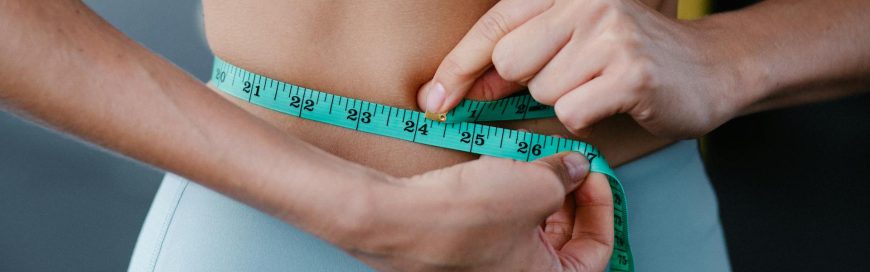
A lot of people start a fitness journey thinking one thing: “I just need to lose weight.”
Sounds simple enough. But honestly, this is where most people get confused. Because losing weight and losing fat are not the same thing. Not even close.
The number on the scale can go down for many reasons. Water loss. Muscle loss. Less food sitting in your stomach. Even stress can affect it. That doesn’t automatically mean your body is getting healthier or leaner.
That’s why understanding fat loss vs weight loss and body fat percentage matters so much. If the goal is better health, more definition, improved energy, or long-term results, focusing only on body weight can actually mess things up.
And yeah… this is why some people lose 15 pounds and still don’t look or feel the way they expected.
Let’s break it down properly.
What Is Body Fat vs Body Weight?
Your body weight is everything combined.
That includes:
- Fat
- Muscle
- Water
- Bones
- Organs
- Food weight
- Glycogen is stored in muscles
So when the scale says 160 pounds, it’s not telling you what makes up those pounds.
That’s where people misunderstand things.
Body fat specifically refers to the amount of fat tissue your body carries. Some body fat is necessary. Your body literally needs it for hormone production, organ protection, temperature regulation, and survival.

The problem starts when excess fat builds up while lean muscle decreases.
This is why understanding what body fat vs body weight is becomes important instead of obsessing over a random scale number every morning.
Two people can weigh exactly the same and look completely different. One may carry more lean muscle mass, while the other carries higher body fat. Same weight. Completely different body composition.
That’s the real conversation.
Difference Between Fat Loss and Weight Loss
This is the part many fitness programs skip over.
Weight loss means total body weight decreases.
Fat loss means specifically reducing stored body fat while maintaining as much lean muscle as possible.
Big difference.
Here’s a real-world example.
Someone starts a crash diet. They eat almost nothing for two weeks. The scale drops fast. Great, right?
Not really.
A large portion of that loss is often:
- Water weight
- Muscle tissue
- Glycogen depletion
Not actual fat.
That’s why people regain the weight quickly later. Their metabolism slows down, muscle mass decreases, and the body fights back hard.
Fat loss is slower. But healthier. More sustainable too.
When people focus on true fat reduction instead of chasing rapid scale drops, they usually notice:
- Better muscle definition
- Improved energy
- Better strength
- Smaller waist measurements
- Improved metabolic health
That’s why the difference between fat loss and weight loss matters more than most realize.
The scale only tells part of the story. Sometimes honestly, it tells the wrong story.
Why Body Composition Matters More Than Weight
This is where the conversation gets smarter.
Instead of only tracking body weight, fitness professionals now focus heavily on body composition vs body weight.
Body composition looks at:
- Lean muscle mass
- Fat mass
- Bone density
- Water levels
And honestly? This gives a way more accurate picture of health.
A person with higher lean muscle and lower fat percentage may technically weigh more but still be far healthier than someone lighter with low muscle and high body fat.
Muscle changes everything.
It improves metabolism, posture, strength, insulin sensitivity, and even long-term aging outcomes.
So if someone says:
“I weigh the same but look leaner.”
That actually makes perfect sense.
They may have lost fat while gaining muscle.
That’s progress that the scale can’t fully measure.
Lean Mass vs Fat Mass Explained Simply
People hear these terms constantly in fitness conversations, but many don’t fully understand them.
Lean mass includes:
- Muscles
- Bones
- Organs
- Water
- Connective tissues
Fat mass is exactly what it sounds like — stored body fat.
Now here’s the important part.
When losing weight, you want to protect lean mass as much as possible while reducing fat mass.
Because losing muscle creates problems:
- Slower metabolism
- Weakness
- Poor recovery
- Less definition
- Increased risk of regaining fat
This is why strength training and proper nutrition matter so much during fat loss.
Cardio alone usually isn’t enough.
The goal should never be “be smaller at any cost.”
It should be:
“Build a healthier body composition.”
That changes the entire approach.
BMI vs Body Fat Percentage
BMI has been around forever, but honestly, it has limitations.
BMI only compares height and weight.
That’s it.
It does not measure:
- Muscle mass
- Fat distribution
- Fitness level
- Metabolic health
So technically, a muscular athlete can fall into the “overweight” BMI category even with low body fat.
That’s why conversations around BMI vs body fat percentage have become more important lately.
Body fat percentage gives deeper insight into how much of the body consists of fat tissue.
It’s more useful for:
- Fitness tracking
- Health monitoring
- Measuring fat loss progress
- Understanding overall body composition
BMI can still provide a quick screening tool. But it shouldn’t be the only thing guiding fitness goals.
Not even close.
How to Measure Body Fat Percentage
A lot of people ask this once they stop relying only on the scale.
There are several ways to determine body fat percentage, and some are more accurate than others.
Here are the most common methods.
Skinfold Calipers
This is one of the oldest methods and still pretty common.
A trainer uses calipers to pinch specific areas of skin and estimate body fat levels.
When done properly, caliper body fat measurement can actually be fairly useful. The issue is consistency. Experience matters a lot here.
Bad measurements happen often when people don’t know what they’re doing.
Smart Scales
These scales use bioelectrical impedance.
Basically, tiny electrical currents move through the body to estimate fat levels.
Convenient? Yes.
Perfectly accurate? Not really.
Hydration levels can seriously affect results. But they still help track trends over time.
DEXA Scans
This is one of the more accurate options available.
DEXA scans measure:
- Fat mass
- Lean mass
- Bone density
Very detailed. Very helpful. Usually more expensive though.
Body Measurements and Photos
Honestly, simple progress photos and waist measurements tell a bigger story than people think.
Sometimes visual changes happen before the scale moves at all.
That’s why relying on multiple tracking methods works better than obsessing over one number.
Healthy Body Fat Percentage Ranges
There’s no single perfect number for everyone.
But generally speaking:
Women
- Essential fat: 10–13%
- Fitness range: 21–24%
- Average range: 25–31%
Men
- Essential fat: 2–5%
- Fitness range: 14–17%
- Average range: 18–24%
Lower isn’t always better either.
Extremely low body fat can create hormone issues, fatigue, poor recovery, and other health problems.
The goal should be healthy and sustainable. Not shredded at all costs.
That mindset usually creates more damage than progress.
Final Thoughts
The scale has way too much power over people.
And honestly, it shouldn’t.
Understanding the difference between fat loss and weight loss changes how you approach fitness completely. Instead of chasing smaller numbers blindly, the focus shifts toward building a stronger, healthier body.
That means preserving lean muscle, reducing excess fat, improving energy, and creating results that actually last.
Because real progress isn’t just about weighing less.
It’s about feeling better in your body. Moving better. Living better.
And if you want guidance that focuses on long-term health instead of quick-fix nonsense, inBalance can help you build a smarter path forward.
FAQs
What is the difference between fat loss and weight loss?
People lose different types of weight when they try to decrease their body fat through fat loss. Every decrement from body weight results in a decrease because all body weight includes water and muscle. The process of fat loss involves the body using its stored fat reserves for energy while maintaining all of its muscle mass. The body experiences permanent advantageous effects from fat loss, which outweigh all results obtained through rapid weight reduction methods.
Why is it better to measure body fat percentage than simply weight?
Body fat measurement serves as a better health indicator because it shows the proportion of body fat compared to total body weight. People who have greater muscle mass can exhibit better health measurements even when their body weight exceeds normal limits. Only scale weight measurement fails to provide accurate assessment results for body composition, strength, and metabolic health evaluation.
What is a good way to find out my body fat percentage?
People use DEXA scans, smart scales, body measurements, and caliper body fat measurement methods to determine their body fat percentage through various calculation methods. DEXA scans deliver the most precise body measurement results, while calipers and smart scales provide affordable body measurement solutions. The process of measuring progress needs both regular tracking and the acceptance of measurement errors for effective results.
What is a healthy fat percentage in the body for males and females?
Age, gender, and activity level determine the various range distributions. The healthy range for women extends from 21 to 31 percent, while the healthy range for men extends from 14 to 24 percent. Athletes can safely maintain a lower body fat percentage, yet extreme reductions in body fat will harm their hormonal balance and ability to recover and their overall health.
What is the relationship between lean mass and fat loss?
Lean mass is a major influence on metabolism and the body's composition. A greater amount of muscle tissue aids more efficient use of calories, as well as strength and physical performance. Maintaining lean mass is also a concern during fat loss periods because excessive loss of muscle mass can lead to a drop in metabolic rate and make it more difficult to maintain the muscle mass in the long run.