
If you’ve ever tried to determine your body fat percentage, you already know the confusion. One person online says you need a fancy scan that costs half your paycheck, someone else claims you can “eyeball it,” and then there’s the guy with the $12 plastic fat calipers who swears he’s basically a scientist now.
Honestly, figuring out your body fat at home shouldn’t feel like decoding rocket science. And the good news? It’s not. You can get a pretty solid estimate with things you already have around you: your phone, a tape measure, your eyes, maybe a scale, maybe just common sense.
Before we jump in, let’s get one thing out of the way: body fat percentage matters more than your weight. Your scale might freak you out on Monday morning, but that number doesn’t tell you if you’re strong, lean, bloated, or just carrying extra water because you had too much salty food last night. Body fat gives a clearer picture.
So here are 7 simple, real-world, no-nonsense ways to determine body fat percentage at home without going broke or overthinking everything.
1. The Good Old Tape Measure Method (Still Works, Still Simple)
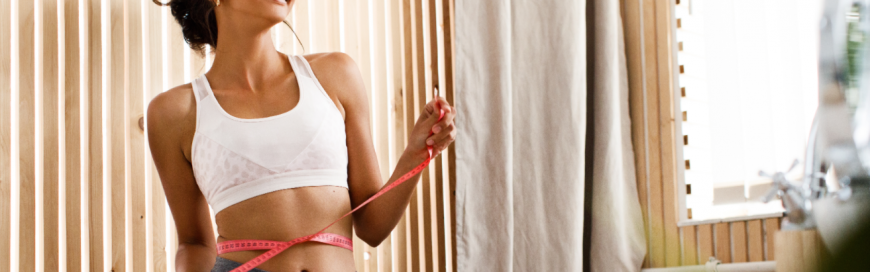
If you have a measuring tape lying around (and if not, they cost like a coffee), you can get a surprisingly decent estimate.
Here’s what you measure:
- Waist
- Hips (optional but helpful)
- Neck
- Height
Then plug the numbers into one of the many online body fat calculators (the U.S. Navy method is super common). Is it perfect? No. But neither is the $10,000 InBody scanner on an empty stomach.
This method is great for:
- Tracking progress over time
- Comparing changes month to month
- Not stressing about daily weight swings
And the best part? It’s free and easy… unless wrapping a tape around your waist feels like an emotional journey, but that’s a personal issue (we’ve all been there).
2. The Mirror + Honest Self-Assessment (Yes, This Actually Works)
People laugh at “visual estimates,” but they shouldn’t. Trainers, coaches, and even doctors often rely on visual cues because your body shows patterns.
When you want to determine body fat percentage using the mirror, look for:
- Visible abs or none at all
- How defined your arms look
- Whether your waistline is sharp, soft, or somewhere in the middle
- Back definition
- Hips, thighs, and overall outline
Search for comparison charts online showing “body fat examples,” and match yourself. It’s not perfect, but honestly, neither are most gadgets.
This method works best when:
- You track weekly photos
- You’re brutally honest with yourself
- You compare over time, not just one random day
Some people prefer this because the mirror doesn't lie (but lighting absolutely does, so avoid those “skinny bathroom selfie angles”).
3. Skinfold Calipers (Cheap, Kinda Old School, But Surprisingly Accurate)
Calipers get a bad reputation because they feel… clinical. But if you learn how to use them (YouTube helps), they can be one of the most accurate home tools.
You pinch specific spots:
- abdomen
- thigh
- triceps
- chest or hip (depending on the formula)
Then you plug the measurements into a formula. It takes a bit of practice, and yes, it's weird the first few tries, but once you get the hang of it, the results are consistent.
Why use calipers?
- They measure actual fat thickness
- They track progress better than scales
- They don't care if you ate a whole pizza yesterday
Are they perfect? No. But nothing is. And at least this one isn’t lying about water weight.
4. Bioelectrical Impedance Scales (The Ones You Stand On at Home)
These are the scales that send a tiny electric pulse through your body (don’t worry, you don’t feel it) and estimate your fat based on resistance.
Pros:
- Super easy
- Gives numbers instantly
- Most people already have one
Cons:
- Hydration changes the results
- Sodium levels mess with accuracy
- Sometimes the numbers just randomly lie
Use this method only to track trends, not single-day results. If it keeps showing a decrease over weeks, you’re good. If it randomly jumps 4% overnight… relax, drink water, and retest tomorrow.
5. Body Circumference Tracking (Waist, Arms, Thighs)
Even if you don’t calculate your actual body fat, just tracking your inches tells a clear story.
If your waist shrinks while your weight doesn’t change, congratulations you’re losing fat and probably gaining muscle.
If you want to determine body fat percentage, combine circumference changes with weight trends. It’s not an exact math formula, but it’s honest progress you can see.
This method is perfect for:
- People who don’t want math
- People who don’t trust scales
- Anyone in a fitness routine like Pilates San Antonio programs
(Pilates is great for core shaping, posture, and full-body muscle endurance prime things that change body measurements even when weight stays the same.)
6. Online Body Fat Calculators + Smartphone Apps
These apps use:
- Photos
- Measurements
- AI estimates
- Comparison models
Do they always nail your body fat down to the decimal? No. But they’re convenient, fast, and useful when you want a consistent snapshot.
Just don’t compare app results with calipers or with bathroom scales; every method uses a different formula, and mixing them will drive you crazy.
Pick one method and stick to it.
Some apps ask you to stand in a specific pose so the system can read your body shape. Others want multiple angles. Some are fancy, some feel like a scam, but most give at least a decent ballpark.
7. Progress Photos + Clothing Fit Test
This isn’t a technical method, but it might be the most realistic one.
Take progress photos every:
- 2 weeks
- Same lighting
- Same outfit
- Same angle
You’ll see fat loss even if your scale refuses to admit it.
Also, pay attention to clothes:
- Looser waistline = you’re losing fat
- Tight arms where they weren’t tight before = you gained muscle
- Old jeans fitting again = no explanation needed
Real people don’t live in testing labs. We live in homes, in real clothes, with lives that rarely allow perfect measurement conditions.
Sometimes the best way to determine body fat percentage is simply watching how your body behaves. That’s as honest as it gets.
But Why Should You Even Care About Body Fat Percentage?
Because weight doesn’t tell the whole story.
Two people can weigh the same but look completely different. One could be muscular and toned, the other soft and carrying more fat. Body fat percentage helps you understand:
- Your true fitness level
- Your risk for health issues
- How is your training working
- Whether you’re building muscle or just losing water
If you’re doing something like Pilates San Antonio programs, which focus on core strength, flexibility, posture, and muscle toning, your body fat percentage might drop even when the scale barely moves. That’s normal. That’s actually progress.
Tips to Make Your At-Home Measurements More Accurate
A few things people mess up all the time:
- Measure at the same time of day.
Morning is best because you’re not retaining water yet. - Don’t measure right after workouts.
Sweat loss gives false results. - Avoid measuring after salty meals.
Your body holds water. - Stick to the same method weekly.
Don’t switch between apps, scales, and calipers like you’re testing science experiments. - Look at trends, not daily fluctuations.
Weekly comparison > daily panic.
How Pilates Helps Lower Body Fat (Even Without Heavy Weights)
A lot of people assume Pilates won’t help with fat loss because it isn't “fast-paced” enough. That’s just wrong.
Pilates, especially a structured Pilates San Antonio studio program, helps reduce body fat by:
- Strengthening deep core muscles
- Improving posture (makes you look leaner immediately)
- Building long, stable muscle
- Increasing overall movement efficiency
- Reducing stress, which reduces cortisol, which reduces stubborn fat
Plus, Pilates is something you can actually stick with long-term. Not everyone wants to do burpees at 6 a.m.
If you’re trying to determine body fat percentage while also building a stronger, more balanced body, Pilates is one of the best low-impact ways to get there.
Final Thoughts: Don’t Obsess. Stay Consistent.
Determining your body fat at home should feel simple, not stressful. Pick one method, track it consistently, and give yourself a few months. Your body will change if you keep showing up.
And hey, if you want a structured, supportive way to build strength, tone up, and feel better from the inside out…
Try Pilates with inBalance Studios, one of the most trusted Pilates studios in San Antonio.
FAQs
1. What is the easiest way to determine body fat percentage at home?
Using a tape measure and an online calculator (U.S. Navy method) is the simplest and most reliable at-home option. No fancy tools, just quick numbers.
2. Are body fat scales accurate?
They’re okay for tracking trends but not perfect. Hydration changes can throw them off. Always measure under the same conditions.
3. Can Pilates help reduce body fat?
Yes, indirectly. Pilates builds lean muscle, improves posture, increases mobility, and supports fat loss when paired with smart nutrition. It’s a long-term, realistic fitness method.
4. How often should I check my body fat percentage?
Once every 2–4 weeks is enough. Checking daily will just drive you nuts and won’t give useful patterns.